How Weight Loss Impacts Foot Structure and Health

Weight loss can have a significant effect on the structure and function of the feet. As body weight decreases, the stress on the arches, joints, and soft tissues of the feet is reduced, which can alleviate pain and improve mobility. Changes in weight can also alter gait and balance, affecting how the feet absorb shock and distribute pressure during walking or exercise. While these changes are often positive, they may also reveal underlying issues such as flat feet, bunions, or joint stiffness that were previously masked by excess weight. A podiatrist can evaluate your foot structure, recommend supportive footwear or custom orthotics, and guide exercises to maintain proper alignment. If you have foot discomfort during or after weight loss, it is suggested that you consult a podiatrist who can offer effective relief solutions.

Obesity has become very problematic at this point in time and can have extremely negative effects on the feet. If you’re an obese individual and are concerned about your feet, contact One of our podiatrists from Mitchell Foot & Ankle. Our doctors can provide the care you need to keep you pain-free and on your feet.

Obesity and Your Feet

Since your feet are what support your entire weight when standing, any additional weight can result in pain and swelling. Being overweight is one of the main contributors to foot complications.

Problems & Complications

Extra Weight – Even putting on just a few extra pounds could create serious complications for your feet. As your weight increases, your balance and body will shift, creating new stresses on your feet. This uneven weight distribution can cause pain, even while doing the simplest tasks, such as walking.

Diabetes – People who are overweight are at serious risk of developing type-2 diabetes, which has a drastic impact on the health of your feet. As you get older, your diabetes might worsen, which could lead to loss of feeling in your feet, sores, and bruises. You could also become more prone to various infections.

Plantar fasciitis – Pressure and stress that is placed on muscles, joints, and tendons can trigger plantar fasciitis, which is an inflammation of tissue that forms along the bottom of the foot. 

If you have any questions, please feel free to contact our office located in Chicago, IL . We offer the newest diagnostic and treatment technologies for all your foot care needs.

Read more about How Obesity Affects Your Feet

When the Big Toe Is Pushed Beyond Its Limit

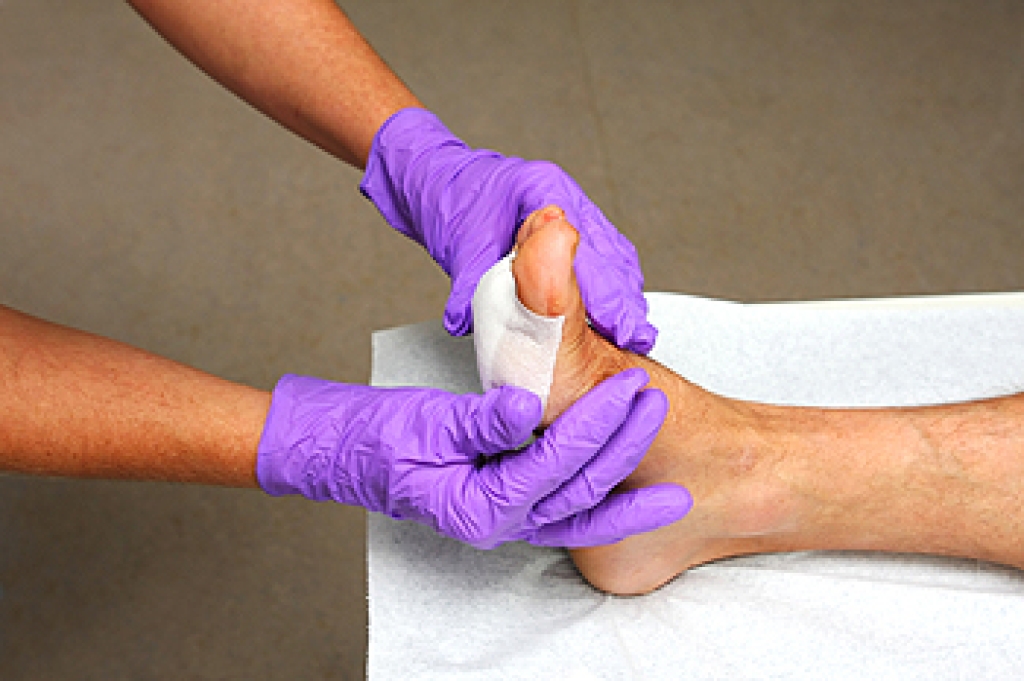
Turf toe occurs when the big toe bends too far upward, stretching or tearing the soft tissues that support the joint. This injury is common in activities that involve sudden stops, quick direction changes, or forceful push offs, especially on firm surfaces. The toe may become painful, swollen, or stiff, and many people notice discomfort when trying to lift off during walking or running. In some cases, the joint feels unstable or weak, making it difficult to move with confidence. Early care helps prevent the injury from worsening and supports a smoother recovery. Resting the toe, avoiding movements that cause pain, and choosing shoes with a stiff sole can reduce stress on the joint. If you experience swelling, tenderness, or difficulty bending the big toe, it is suggested that you schedule an appointment with a podiatrist for proper guidance.

Toe pain can disrupt your daily activities. If you have any concerns, contact One of our podiatrists of Mitchell Foot & Ankle. Our doctors can provide the care you need to keep you pain-free and on your feet.

What Causes Toe Pain?

Most severe toe pain is caused due to a sports injury, trauma from dropping something heavy on the toe, or bumping into something rigid. Other problems can develop over time for various reasons.

Toe pain can be caused by one or more ailments. The most common include:

  • Trauma
  • Sports injury
  • Wearing shoes that are too tight
  • Arthritis
  • Gout
  • Corns and calluses
  • Hammertoe
  • Bunions
  • Blisters
  • Ingrown toenails
  • Sprains
  • Fractures (broken bones)
  • Dislocations

When to See a Podiatrist

  • Severe pain
  • Persistent pain that lasts more than a week
  • Signs of infection
  • Continued swelling
  • Pain that prevents walking

Diagnosis

In many cases the cause of toe pain is obvious, but in others, a podiatrist may want to use more advanced methods to determine the problem. These can range from simple visual inspections and sensation tests to X-rays and MRI scans. Prior medical history, family medical history, and any recent physical traumatic events will all be taken into consideration for a proper diagnosis.

Treatment

Treatments for toe pain and injuries vary and may include shoe inserts, padding, taping, medicines, injections, and in some cases, surgery. If you believe that you have broken a toe, please see a podiatrist as soon as possible.

If you have any questions please contact our office located in Chicago, IL . We offer the newest diagnostic and treatment technologies for all your foot and ankle needs.


Read more about Toe Pain

Understanding Hairline Fractures in the Foot

A hairline fracture is a very small break in a bone that can cause significant discomfort, even though it may not be obvious at first. Many people notice a gradual increase in pain during walking or standing, especially after repetitive activity. Swelling, tenderness, and mild bruising may appear, and the discomfort often improves with rest but quickly returns with movement. These tiny cracks commonly develop from overuse, wearing improper footwear, or sudden increases in activity levels. Without early attention, the injury can worsen and interfere with mobility. Recognizing the signs promptly helps protect long-term foot health and supports a smoother recovery. If you notice persistent soreness, swelling, or pain that intensifies with activity, it is suggested that you schedule an appointment with a podiatrist for a proper diagnosis and appropriate treatment.

Activities where too much pressure is put on the feet can cause stress fractures. To learn more, contact One of our podiatrists from Mitchell Foot & Ankle. Our doctors can provide the care you need to keep your pain free and on your feet.

Dealing with Stress Fractures of the Foot and Ankle

Stress fractures occur in the foot and ankle when muscles in these areas weaken from too much or too little use.  The feet and ankles then lose support when walking or running from the impact of the ground. Since there is no protection, the bones receive the full impact of each step. Stress on the feet can cause cracks to form in the bones, thus creating stress fractures.

What Are Stress Fractures?

Stress fractures occur frequently in individuals whose daily activities cause great impact on the feet and ankles. Stress factors are most common among:

  • Runners                                
  • People affected with Osteoporosis
  • Tennis or basketball players
  • Gymnasts
  • High impact workouts

Symptoms

Pain from the fractures occur in the area of the fractures and can be constant or intermittent. It will often cause sharp or dull pain with swelling and tenderness. Engaging in any kind of activity which involves high impact will aggravate pain.

If you have any questions please contact our office located in Chicago, IL . We offer the newest diagnostic and treatment technologies for all your foot and ankle needs.

Read more about Dealing with Stress Fractures of the Foot and Ankle

Recognizing Symptoms of Plantar Fasciitis

Plantar fasciitis is one of the most frequent causes of heel pain, and its symptoms often appear gradually. The most noticeable sign is sharp discomfort at the bottom of the heel, especially with the first steps in the morning or after standing up from rest. As the tissue warms up, the pain may ease, only to return later in the day with prolonged standing, walking, or exercise. Many people describe a tight, pulling sensation along the arch, as if the foot needs to stretch but never fully relaxes. The heel may feel tender when you press on it, and the discomfort can worsen in unsupportive shoes or on hard surfaces. If the irritation continues, the pain can spread toward the arch or make it difficult to stay active. When heel pain persists or limits daily movement, it is suggested that you see a podiatrist for an evaluation and appropriate treatment.

Plantar fasciitis is a common foot condition that is often caused by a strain injury. If you are experiencing heel pain or symptoms of plantar fasciitis, contact One of our podiatrists from Mitchell Foot & Ankle. Our doctors can provide the care you need to keep you pain-free and on your feet.

What Is Plantar Fasciitis?

Plantar fasciitis is one of the most common causes of heel pain. The plantar fascia is a ligament that connects your heel to the front of your foot. When this ligament becomes inflamed, plantar fasciitis is the result. If you have plantar fasciitis you will have a stabbing pain that usually occurs with your first steps in the morning. As the day progresses and you walk around more, this pain will start to disappear, but it will return after long periods of standing or sitting.

What Causes Plantar Fasciitis?

  • Excessive running
  • Having high arches in your feet
  • Other foot issues such as flat feet
  • Pregnancy (due to the sudden weight gain)
  • Being on your feet very often

There are some risk factors that may make you more likely to develop plantar fasciitis compared to others. The condition most commonly affects adults between the ages of 40 and 60. It also tends to affect people who are obese because the extra pounds result in extra stress being placed on the plantar fascia.

Prevention

  • Take good care of your feet – Wear shoes that have good arch support and heel cushioning.
  • Maintain a healthy weight
  • If you are a runner, alternate running with other sports that won’t cause heel pain

There are a variety of treatment options available for plantar fasciitis along with the pain that accompanies it. Additionally, physical therapy is a very important component in the treatment process. It is important that you meet with your podiatrist to determine which treatment option is best for you.

If you have any questions, please feel free to contact our office located in Chicago, IL . We offer the newest diagnostic and treatment technologies for all your foot care needs.


Read more about Plantar Fasciitis

Keep Your Feet Healthy So You Can Stay Active

Have your feet inspected by a professional before starting a new sport or physical activity. Taking charge of your foot health will keep you in good physical condition and can help you avoid a potential injury, such as a fracture or sprained ankle.

Prevent injuries and see a foot specialist.