Causes of Cracked Heels

Cracked heels are a common foot condition marked by dry, thickened skin that splits along the edges of the heel. They often develop from a natural loss of skin elasticity with age, making the heels less able to stretch under pressure. Long showers, harsh soaps, and frequently walking barefoot can strip moisture from the skin and worsen dryness. Additional risk factors include prolonged standing, obesity, wearing open-backed shoes, and certain skin conditions. When left untreated, cracked heels may become painful or lead to infection. A podiatrist can evaluate heel health, remove hardened skin safely, and recommend medical grade moisturizers or protective treatments. If this applies to you, it is suggested that you promptly consult a podiatrist who can offer effective relief and treatment solutions, which may include prescribed medication.

Cracked heels are unsightly and can cause further damage to your shoes and feet. If you have any concerns, contact One of our podiatrists from Mitchell Foot & Ankle. Our doctors can provide the care you need to keep you pain-free and on your feet.

Cracked Heels

Cracked heels appear unappealing and can make it harder for you walk around in sandals. Aside from looking unpleasant, cracked heels can also tear stockings, socks, and wear out your shoes. There are several methods to help restore a cracked heel and prevent further damage.

How Do You Get Them?

Dry skin is the number one culprit in creating cracked heels. Many athletes, walkers, joggers, and even swimmers suffer from cracked heels. Age and skin oil production play a role to getting cracked heels as well.

Promote Healing

Over the counter medicines can help, especially for those that need instant relief or who suffer from chronic dry feet.

Wear Socks – Wearing socks with medicated creams helps lock in moisture.

Moisturizers – Applying both day and night will help alleviate dryness which causes cracking.

Pumice Stones – These exfoliate and remove dead skin, which allows for smoother moisturizer application and better absorption into the skin. 

Change in Diet

Eating healthy with a well-balanced diet will give the skin a fresh and radiant look. Your body responds to the kinds of food you ingest. Omega-3 fatty acids and zinc supplements can also revitalize skin tissue.

Most importantly, seek professional help if unsure how to proceed in treating cracked heels. A podiatrist will help you with any questions or information needed. 

If you have any questions, please feel free to contact our office located in Chicago, IL . We offer the newest diagnostic and treatment technologies for all your foot care needs.

Read more about Solutions for Cracked Heels

Achilles Tendon Rupture and Its Impact on Mobility

An Achilles tendon rupture is a serious injury involving a complete tear of the tendon that connects the calf muscles to the heel bone. It is common in athletes and active individuals and can abruptly end athletic participation or even a professional career. This injury often results from overuse of the tendon, sudden increases in activity, or long-term degeneration that weakens the tendon over time. Symptoms may include a sudden sharp pain in the back of the leg, a popping sensation, swelling, bruising, weakness, and difficulty walking or pushing off the foot. A podiatrist can evaluate the injury, confirm the diagnosis, and guide appropriate treatment, whether surgical or nonsurgical, to restore strength and function. If you have sudden Achilles pain or loss of function, it is suggested that you seek podiatric care promptly for effective treatment solutions.

Achilles tendon injuries need immediate attention to avoid future complications. If you have any concerns, contact One of our podiatrists of Mitchell Foot & Ankle. Our doctors can provide the care you need to keep you pain-free and on your feet.

What Is the Achilles Tendon?

The Achilles tendon is a tendon that connects the lower leg muscles and calf to the heel of the foot. It is the strongest tendon in the human body and is essential for making movement possible. Because this tendon is such an integral part of the body, any injuries to it can create immense difficulties and should immediately be presented to a doctor.

What Are the Symptoms of an Achilles Tendon Injury?

There are various types of injuries that can affect the Achilles tendon. The two most common injuries are Achilles tendinitis and ruptures of the tendon.

Achilles Tendinitis Symptoms

  • Inflammation
  • Dull to severe pain
  • Increased blood flow to the tendon
  • Thickening of the tendon

Rupture Symptoms

  • Extreme pain and swelling in the foot
  • Total immobility

Treatment and Prevention

Achilles tendon injuries are diagnosed by a thorough physical evaluation, which can include an MRI. Treatment involves rest, physical therapy, and in some cases, surgery. However, various preventative measures can be taken to avoid these injuries, such as:

  • Thorough stretching of the tendon before and after exercise
  • Strengthening exercises like calf raises, squats, leg curls, leg extensions, leg raises, lunges, and leg presses

If you have any questions please feel free to contact our office located in Chicago, IL . We offer the newest diagnostic tools and technology to treat your foot and ankle needs.

Read more about Achilles Tendon Injuries

Understanding the Structure of the Foot

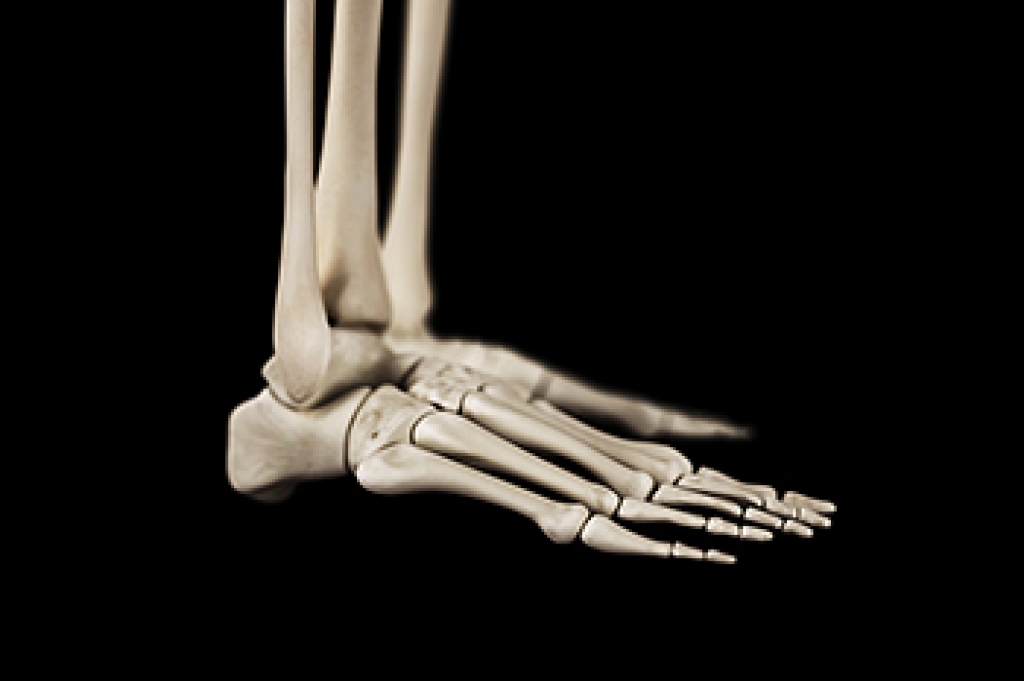
The foot is a complex structure made up of bones, joints, muscles, tendons, and ligaments that work together to support the body. This intricate design allows the foot to be strong enough for weight-bearing while remaining flexible for walking, running, and balance. The joints of the foot provide movement and shock absorption, while tendons and ligaments stabilize the foot and guide motion. Muscles help control posture and adapt to different surfaces during daily activities. Maintaining a balance between strength and flexibility is essential for proper foot function and injury prevention. When this balance is disrupted, pain, fatigue and instability may occur. A podiatrist can help by evaluating foot structure alignment and movement patterns. Care may include treatment for pain, injuries, or deformities, as well as recommendations for supportive footwear or custom orthotics. If you have foot pain, it is suggested that you consult a podiatrist who can accurately diagnose and treat various foot and ankle conditions.

If you have any concerns about your feet, contact One of our podiatrists from Mitchell Foot & Ankle. Our doctors can provide the care you need to keep you pain-free and on your feet.

Biomechanics in Podiatry

Podiatric biomechanics is a particular sector of specialty podiatry with licensed practitioners who are trained to diagnose and treat conditions affecting the foot, ankle and lower leg. Biomechanics deals with the forces that act against the body, causing an interference with the biological structures. It focuses on the movement of the ankle, the foot and the forces that interact with them.

A History of Biomechanics

  • Biomechanics dates back to the BC era in Egypt where evidence of professional foot care has been recorded.
  • In 1974, biomechanics gained a higher profile from the studies of Merton Root, who claimed that by changing or controlling the forces between the ankle and the foot, corrections or conditions could be implemented to gain strength and coordination in the area.

Modern technological improvements are based on past theories and therapeutic processes that provide a better understanding of podiatric concepts for biomechanics. Computers can provide accurate information about the forces and patterns of the feet and lower legs.

Understanding biomechanics of the feet can help improve and eliminate pain, stopping further stress to the foot.

If you have any questions please feel free to contact our office located in Chicago, IL . We offer the newest diagnostic and treatment technologies for all your foot and ankle needs.

Read more about The Importance of Biomechanics in Podiatry

Foot Conditions During Pregnancy

Pregnancy can bring significant changes to the feet due to weight gain, hormonal shifts, and fluid retention. Common issues include flat feet, which may develop or worsen as ligaments relax, and swelling or edema, causing discomfort and reduced mobility. Pregnant individuals may also experience ingrown toenails, hot or burning sensations, and bunions, all of which can affect daily activities. Hormonal changes and increased pressure on the feet contribute to these conditions, making early intervention important. A podiatrist can evaluate foot structure, provide safe treatments and recommend supportive footwear, in addition to suggesting exercises to reduce discomfort, and offer strategies to prevent worsening conditions. If you have foot pain during your pregnancy, please schedule a podiatry appointment to protect foot health, relieve pain, and maintain comfort and mobility throughout pregnancy and beyond.

Pregnant women with swollen feet can be treated with a variety of different methods that are readily available. For more information about other cures for swollen feet during pregnancy, consult with One of our podiatrists from Mitchell Foot & Ankle. Our doctors will attend to all of your foot and ankle needs.

What Foot Problems Can Arise During Pregnancy?

One problem that can occur is overpronation, which occurs when the arch of the foot flattens and tends to roll inward.  This can cause pain and discomfort in your heels while you’re walking or even just standing up, trying to support your baby.  

Another problem is edema, or swelling in the extremities. This often affects the feet during pregnancy but tends to occur in the later stages. 

How Can I Keep My Feet Healthy During Pregnancy?

  • Wearing orthotics can provide extra support for the feet and help distribute weight evenly
  • Minimize the amount of time spent walking barefoot
  • Wear shoes with good arch support
  • Wear shoes that allow for good circulation to the feet
  • Elevate feet if you experience swelling
  • Massage your feet
  • Get regular, light exercise, such as walking, to promote blood circulation to the feet

If you have any questions, please feel free to contact our office located in Chicago, IL . We offer the newest diagnostic and treatment technologies for all your foot care needs.

Read more about Pregnancy and Foot Health

Heel Pain in the Morning?

Heel pain can negatively affect your day-to-day life. Simple activities like walking can become incredibly uncomfortable or painful due to heel pain.

Don’t live with heel pain and get treated.