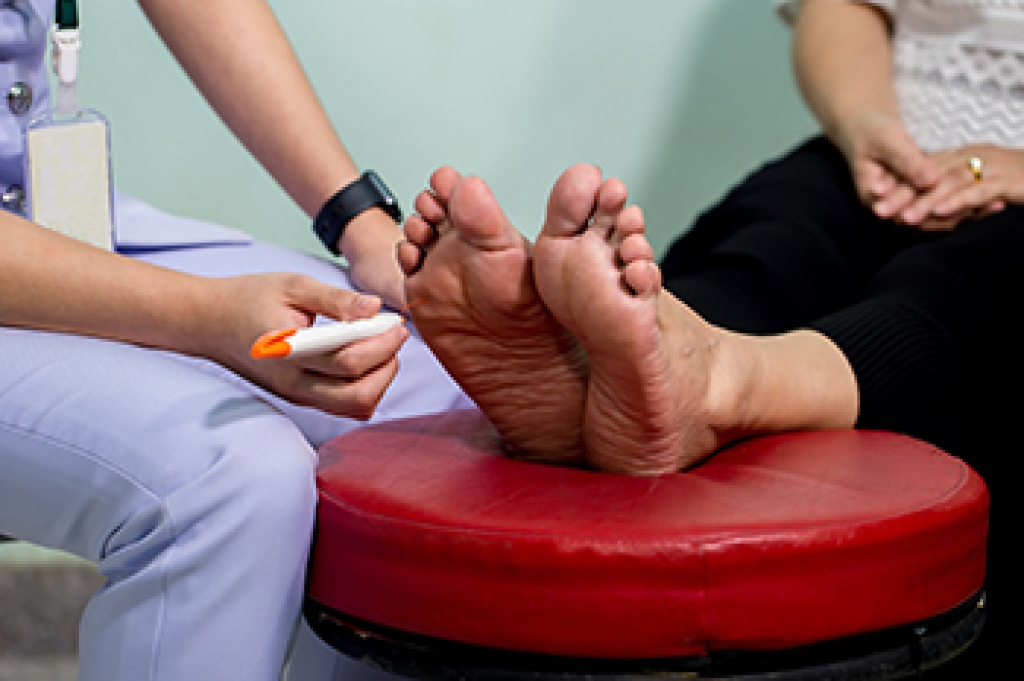
Signs and Treatment of Diabetic Foot Problems

Diabetes can affect the nerves and blood vessels in the feet, making routine foot care important. Nerve damage can reduce the ability to feel pain, heat, or pressure. A small cut or blister may go unnoticed because it causes little discomfort. Reduced blood flow can also slow healing and make infection harder to control. Warning signs include numbness, tingling, and burning pain. Patients may also notice dry skin, calluses, or changes in foot color. Without proper care, a minor injury can develop into a deep wound and lead to serious infection or limb loss.

A podiatrist can examine the feet for skin damage, changes in sensation, and circulation problems. The exam also checks nail health and areas that receive excess pressure. Regular visits allow concerns to be found before they become harder to treat. A podiatrist can safely trim thick toenails and reduce calluses that could irritate the skin. Treatment also includes wound care, infection management, and pressure relief. Custom orthotics can spread weight more evenly across the feet. A podiatrist may recommend properly-fitted shoes that protect sensitive areas and give the toes enough room. These steps can lower the risk of rubbing, blisters, and sores.

Good diabetic foot care depends on recognizing changes early and receiving professional attention promptly. New swelling, warmth, or redness should be evaluated. Cracks, drainage, and open sores also require attention. A wound that does not begin healing deserves prompt care, even when it is painless. The podiatrist can determine how deeply the skin is affected and check whether infection is present. Diagnostic testing can assess blood flow or reveal damage beneath the skin. Care is then planned around the patient's circulation, nerve function, and foot structure. Consistent visits can help protect mobility and reduce the chance of severe complications. If you have foot complications from diabetes, it is suggested that you are under the care of a podiatrist who can help you to manage this serious condition.

Diabetic foot care is important in preventing foot ailments such as ulcers. If you are suffering from diabetes or have any other concerns about your feet, contact One of our podiatrists from Mitchell Foot & Ankle. Our doctors can provide the care you need to keep you pain-free and on your feet.

Diabetic Foot Care

Diabetes affects millions of people every year. The condition can damage blood vessels in many parts of the body, especially the feet. Because of this, taking care of your feet is essential if you have diabetes, and having a podiatrist help monitor your foot health is highly recommended.

The Importance of Caring for Your Feet

  • Routinely inspect your feet for bruises or sores.
  • Wear socks that fit your feet comfortably.
  • Wear comfortable shoes that provide adequate support.

Patients with diabetes should have their doctor monitor their blood levels, as blood sugar levels play such a huge role in diabetic care. Monitoring these levels on a regular basis is highly advised.

It is always best to inform your healthcare professional of any concerns you may have regarding your feet, especially for diabetic patients. Early treatment and routine foot examinations are keys to maintaining proper health, especially because severe complications can arise if proper treatment is not applied.

If you have any questions, please feel free to contact our office located in Chicago, IL . We offer the newest diagnostic and treatment technologies for all your foot care needs.
Read more about Diabetic Foot Conditions

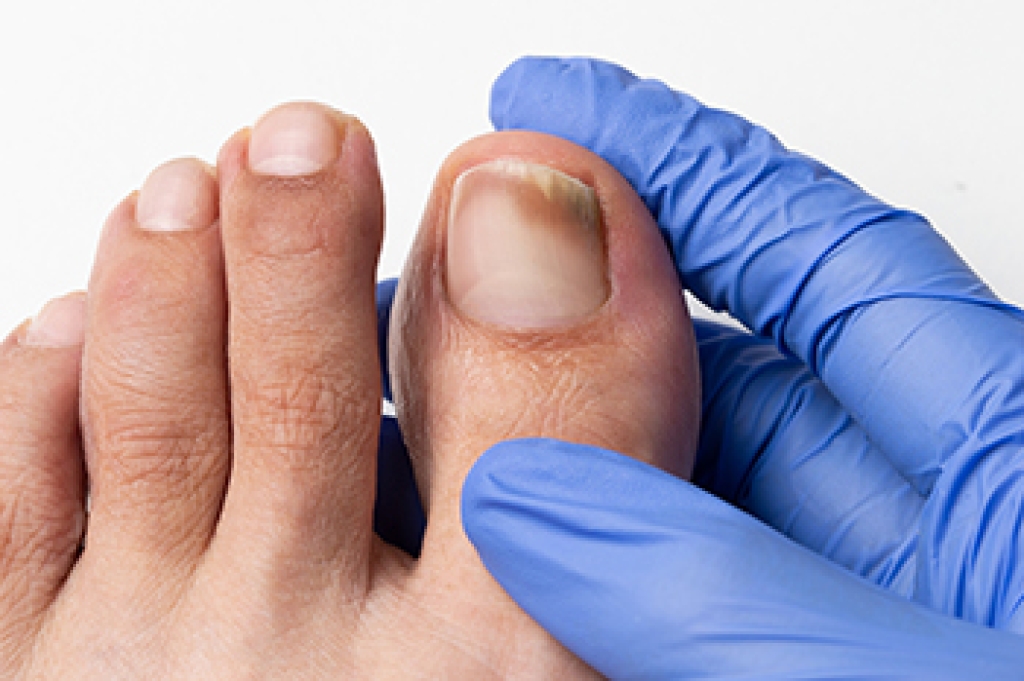
Recognizing Symptoms of Toenail Fungus

Toenail fungus develops when fungi enter through tiny openings in the skin or nail. Warm, damp environments allow these organisms to grow and spread. Wearing sweaty shoes for long periods increases exposure, especially when feet remain moist throughout the day. Walking barefoot in shared showers, locker rooms, or pool areas also increases the risk. Other risk factors include older age, previous nail injuries, and a weakened immune system. Athlete’s foot may also spread to the toenails. Keeping feet clean and dry helps to reduce exposure and protect healthy nails.

Early treatment helps prevent toenail fungus from becoming more established. A podiatrist may carefully examine the affected nail and take a small clipping or scraping for testing. Testing helps confirm that fungus is responsible because other nail conditions can cause similar changes. Treatment depends on the type and severity of the infection. Options include prescription topical medication, oral antifungal medication, or removal of damaged nail material. A podiatrist will explain which approach is most appropriate based on the nail’s condition and your individual needs. Starting treatment early may help prevent further nail damage.

Toenail fungus takes time to clear because toenails grow slowly. Following the recommended treatment consistently is important, even when the nail begins to look healthier. A podiatrist may recommend keeping shoes dry, changing socks regularly, and avoiding shared nail tools. These simple habits help to reduce moisture and limit the chance of reinfection. It is also important to watch for changes in other toenails, because fungal infections can spread. With proper diagnosis and treatment, damaged nails gradually grow out and improve. If you have symptoms of toenail fungus, it is suggested that you consult a podiatrist who can effectively treat this condition, which may include appropriately prescribed medication.

For more information about treatment, contact One of our podiatrists of Mitchell Foot & Ankle. Our doctors can provide the care you need to keep you pain-free and on your feet.

Toenail Fungus Treatment

Toenail fungus is a condition that affects many people and can be especially hard to get rid of. Fortunately, there are several methods to go about treating and avoiding it.

Antifungals & Deterrence

Oral antifungal medicine has been shown to be effective in many cases. It is important to consult with a podiatrist to determine the proper regiment for you, or potentially explore other options.

Applying foot powder on the feet and shoes helps keep the feet free of moisture and sweat.

Sandals or open toed shoes – Wearing these will allow air movement and help keep feet dry. They also expose your feet to light, which fungus cannot tolerate. Socks with moisture wicking material also help as well.

If you have any questions please contact our office located in Chicago, IL . We offer the newest diagnostic and treatment technologies for all your foot and ankle needs.

Read more about Treating Toenail Fungus

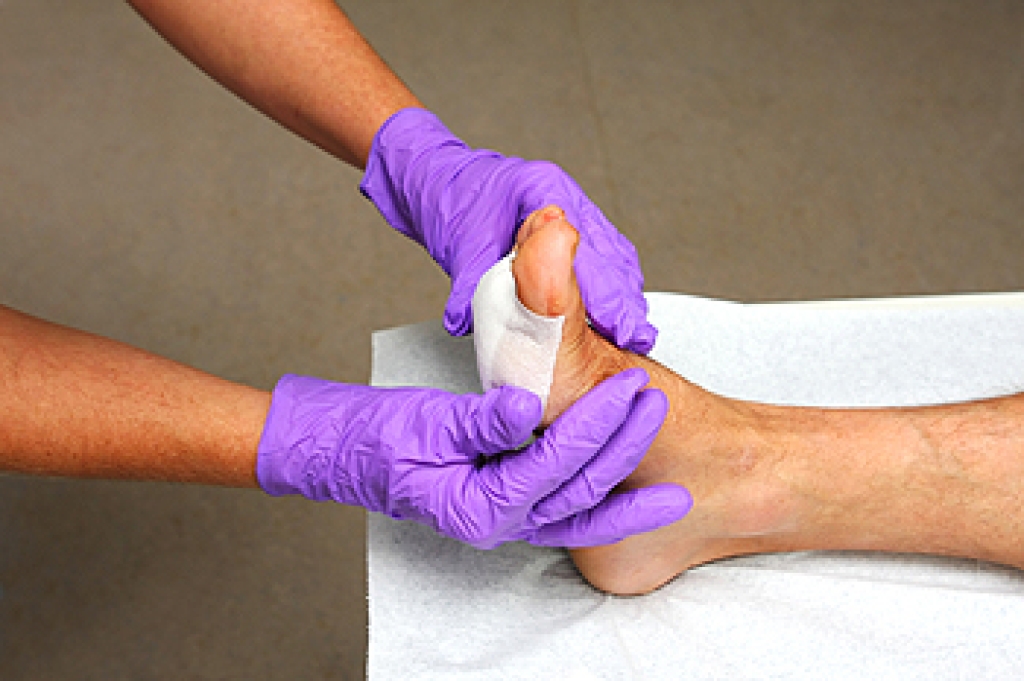
Foot Wounds and Proper Podiatric Care

A foot wound is an opening, sore, or damaged area on the foot. Foot wounds can develop from pressure, friction, or poor circulation. Common types include diabetic foot ulcers, pressure sores, and infected wounds. Symptoms may include redness, swelling, or a wound that does not heal. People with diabetes, circulation problems, or repeated pressure may have a higher risk of serious wounds. Wearing poor footwear can also contribute to pressure and skin breakdown.

Treatment depends on the wound and the reason it developed. A podiatrist will examine the wound and assess circulation, sensation, and infection. Debridement may be performed to remove dead tissue, and this can help create a cleaner surface for healing. Pressure relief is also important. A podiatrist may recommend special footwear or padding, and regular dressing changes protect the area and support healing.

Regular wound care supports healing. A podiatrist may clean the wound and apply a dressing, and it may need to be changed regularly as directed. Antibiotics may be needed when a bacterial infection is present. Serious wounds may need additional care. Your podiatrist will monitor healing and adjust treatment. Keeping pressure off the wound can prevent further damage. Good blood sugar control can also support healing. Following care instructions can help protect the wound between visits.

Do not ignore a foot wound that becomes painful, swollen, or produces drainage. A wound that remains open or shows little improvement deserves attention. Early treatment can help reduce complications and support healing. A podiatrist can explain daily foot care and prevention. Check your feet regularly during daily activities and while wearing supportive shoes. If you have a foot wound, it is suggested that you consult a podiatrist for effective relief and appropriate treatment solutions. 

Wound care is an important part in dealing with diabetes. If you have diabetes and a foot wound or would like more information about wound care for diabetics, consult with One of our podiatrists from Mitchell Foot & Ankle. Our doctors will assess your condition and provide you with quality foot and ankle treatment.

What Is Wound Care?

Wound care is the practice of taking proper care of a wound. This can range from the smallest to the largest of wounds. While everyone can benefit from proper wound care, it is much more important for diabetics. Diabetics often suffer from poor blood circulation which causes wounds to heal much slower than they would in a non-diabetic. 

What Is the Importance of Wound Care?

While it may not seem apparent with small ulcers on the foot, for diabetics, any size ulcer can become infected. Diabetics often also suffer from neuropathy, or nerve loss. This means they might not even feel when they have an ulcer on their foot. If the wound becomes severely infected, amputation may be necessary. Therefore, it is of the upmost importance to properly care for any and all foot wounds.

How to Care for Wounds

The best way to care for foot wounds is to prevent them. For diabetics, this means daily inspections of the feet for any signs of abnormalities or ulcers. It is also recommended to see a podiatrist several times a year for a foot inspection. If you do have an ulcer, run the wound under water to clear dirt from the wound; then apply antibiotic ointment to the wound and cover with a bandage. Bandages should be changed daily and keeping pressure off the wound is smart. It is advised to see a podiatrist, who can keep an eye on it.

If you have any questions please contact our office located in Chicago, IL . We offer the newest diagnostic and treatment technologies for all your foot and ankle needs.

Read more about Wound Care

Plantar Warts Can Be Treated!

Plantar warts are small growths that develop on parts of the feet that bear weight. They're typically found on the bottom of the foot. Don't live with plantar warts, and call us today!

Broken Foot Symptoms and Causes

A broken foot, also called a foot fracture, occurs when one or more bones in the foot crack or break. It can happen after a fall, direct impact, or repeated stress. Symptoms include pain, swelling, and difficulty moving the foot. Some people hear a snap or grinding noise when the injury happens. Walking may become difficult or impossible, especially when pressure is placed on the injured area.

Several factors can increase the risk of a broken foot. Sports activities, falls, and weakened bones can make fractures more likely. Wearing improper footwear may also increase injury risk during certain activities. Stress fractures can develop gradually from repeated impact, particularly after sudden changes in exercise. A podiatrist can evaluate the injury, review how it happened, and foot movement. X-rays or other imaging tests may be recommended to confirm the diagnosis.


Treatment depends on the location and severity of the fracture. A podiatrist may recommend immobilization with a cast or walking boot to protect the injured bones. Some fractures may require crutches or limited weight-bearing while healing. More serious breaks may need surgical treatment to realign and stabilize the bones. Follow-up appointments help monitor healing and ensure that the foot remains properly aligned. Avoid returning to strenuous activity until the foot has recovered.


Many broken feet heal in about four to six weeks, although recovery can take longer depending on the severity of the fracture and overall health. Following weight-bearing instructions is important for proper healing. Keep the foot protected and report increasing pain, swelling, or color changes promptly. Gradually returning to normal activity can help prevent reinjury and help restore safe, comfortable movement. If you have broken your foot, it is suggested that you consult a podiatrist for effective relief and treatment solutions.

A broken foot requires immediate medical attention and treatment. If you need your feet checked, contact One of our podiatrists from Mitchell Foot & Ankle. Our doctors can provide the care you need to keep you pain-free and on your feet.

Broken Foot Causes, Symptoms, and Treatment

A broken foot is caused by one of the bones in the foot typically breaking when bended, crushed, or stretched beyond its natural capabilities. Usually the location of the fracture indicates how the break occurred, whether it was through an object, fall, or any other type of injury. 

Common Symptoms of Broken Feet:

  • Bruising
  • Pain
  • Redness
  • Swelling
  • Blue in color
  • Numbness
  • Cold
  • Misshapen
  • Cuts
  • Deformities

Those that suspect they have a broken foot shoot seek urgent medical attention where a medical professional could diagnose the severity.

Treatment for broken bones varies depending on the cause, severity and location. Some will require the use of splints, casts or crutches while others could even involve surgery to repair the broken bones. Personal care includes the use of ice and keeping the foot stabilized and elevated.

If you have any questions, please feel free to contact our office located in Chicago, IL . We offer the newest diagnostic and treatment technologies for all your foot care needs.

Read more about Causes, Symptoms, and Treatment for a Broken Foot