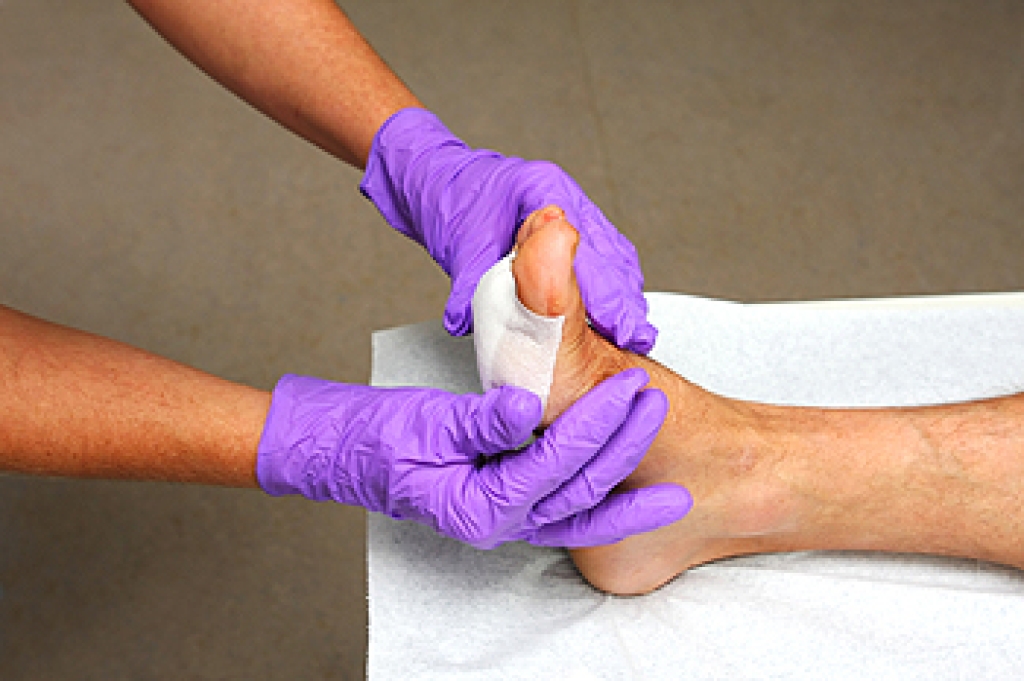
Plantar Fasciitis and Why Heel Pain Starts in the Morning

Plantar fasciitis is the most common cause of heel pain in adults and is defined as inflammation of the plantar fascia, a thick band of connective tissue that supports the arch of the foot. This tissue runs from the heel bone to the toes and plays a critical role in absorbing shock during walking and standing. When excessive strain is placed on the plantar fascia, small tears can develop, leading to irritation and inflammation. Over time, this results in persistent discomfort that can interfere with daily movement and activity.

The most recognizable symptom of plantar fasciitis is sharp heel pain that is often worse with the first steps in the morning. This occurs because the plantar fascia tightens overnight, then stretches suddenly when weight is applied. Patients may also notice heel swelling, tenderness along the bottom of the foot, and increased pain after long periods of standing or walking. The discomfort may improve with light movement but can return after prolonged activity, making it a frustrating and recurring condition.


There are several causes and contributing factors associated with plantar fasciitis. Overuse is one of the leading causes, especially in individuals who spend long hours on their feet or engage in high impact activities. Obesity can increase pressure on the plantar fascia, while improper footwear that lacks arch support can worsen strain. Risk factors also include flat feet, high arches, and occupations that require repetitive standing or walking on hard surfaces.


Early recognition and proper management are essential to prevent worsening symptoms. Treatment may include stretching exercises, wearing supportive footwear, custom orthotics, and activity modification to reduce stress on the heel. Addressing risk factors such as weight and biomechanics can also improve long term outcomes. If you have heel pain, it is strongly suggested that you consult a podiatrist who can accurately diagnose and treat plantar fasciitis.

Plantar fasciitis can be very painful and inconvenient. If you are experiencing heel pain or symptoms of plantar fasciitis, contact One of our podiatrists  from Mitchell Foot & Ankle. Our doctors can provide the care you need to keep you pain-free and on your feet.

What Is Plantar Fasciitis?

Plantar fasciitis is the inflammation of the thick band of tissue that runs along the bottom of your foot, known as the plantar fascia, and causes mild to severe heel pain.

What Causes Plantar Fasciitis?

  • Excessive running
  • Non-supportive shoes
  • Overpronation
  • Repeated stretching and tearing of the plantar fascia

How Can It Be Treated?

  • Conservative measures – anti-inflammatories, ice packs, stretching exercises, physical therapy, orthotic devices
  • Shockwave therapy – sound waves are sent to the affected area to facilitate healing and are usually used for chronic cases of plantar fasciitis
  • Surgery – usually only used as a last resort when all else fails. The plantar fascia can be surgically detached from the heel

While very treatable, plantar fasciitis is definitely not something that should be ignored. Especially in severe cases, speaking to your doctor right away is highly recommended to avoid complications and severe heel pain. Your podiatrist can work with you to provide the appropriate treatment options tailored to your condition.

If you have any questions, please feel free to contact our office located in Chicago, IL . We offer the newest diagnostic and treatment technologies for all your foot care needs.

Read more about Plantar Fasciitis

Causes of Toenail Discoloration and When Fungus Is to Blame

Toenail discoloration is a common concern that often signals an underlying issue within the nail unit. While trauma and pressure from footwear can alter nail color, fungal infection remains one of the most frequent causes. Toenail fungus occurs when microscopic fungi enter through small cracks in the nail or surrounding skin. Clinical observations show that nearly 50 percent of discolored toenails are linked to fungal involvement, making it a leading explanation for persistent nail changes.

The symptoms of toenail fungus extend beyond simple color changes. Early signs may include faint white streaks or patches on the nail surface. As the infection progresses, the nail can turn yellow or brown and may develop a thickened and uneven texture. Some patients report a foul odor or debris buildup beneath the nail. In severe cases, the nail may detach partially from the nail bed, leading to discomfort during daily activities.


Risk factors for developing fungal nail infections are often related to lifestyle and overall health. People who wear tight-fitting shoes or sweat excessively are more prone to fungal growth due to trapped moisture. Aging is another factor, as slower nail growth and reduced circulation increase susceptibility. Individuals with chronic conditions, such as diabetes or compromised immunity, face a higher risk. Repeated exposure to damp communal areas also raises the likelihood of infection.


Fungal organisms thrive in dark and humid conditions, which makes the feet an ideal environment if not properly cared for. Early recognition and targeted treatment can prevent the infection from worsening or spreading to other nails. Maintaining proper hygiene and monitoring nail changes are essential steps in prevention. If you have symptoms of toenail fungus, it is suggested that you visit a podiatrist for an evaluation and guidance on effective treatment options, which may include prescribed medication.

For more information about treatment, contact One of our podiatrists of Mitchell Foot & Ankle. Our doctors can provide the care you need to keep you pain-free and on your feet.

Toenail Fungus Treatment

Toenail fungus is a condition that affects many people and can be especially hard to get rid of. Fortunately, there are several methods to go about treating and avoiding it.

Antifungals & Deterrence

Oral antifungal medicine has been shown to be effective in many cases. It is important to consult with a podiatrist to determine the proper regiment for you, or potentially explore other options.

Applying foot powder on the feet and shoes helps keep the feet free of moisture and sweat.

Sandals or open toed shoes – Wearing these will allow air movement and help keep feet dry. They also expose your feet to light, which fungus cannot tolerate. Socks with moisture wicking material also help as well.

If you have any questions please contact our office located in Chicago, IL . We offer the newest diagnostic and treatment technologies for all your foot and ankle needs.


Read more about How to Treat Your Toenail Fungus

Do You Suffer From Painful Feet?

Painful deformities, such as hammertoes, can be treated. Stop living with foot pain, and have beautiful feet again!

Recognizing Common Ankle Disorders

The ankle is a complex joint that supports body weight, helps maintain balance, and allows movement. Because it is used throughout the day, it is vulnerable to a number of disorders. Among the most common ankle disorders are sprains, fractures, and tendonitis. A sprain occurs when the ligaments that hold the ankle joint together are stretched or torn. Symptoms include pain, swelling, and bruising. Severe sprains may also limit weight-bearing. A fracture, which is a break in one or more ankle bones, can cause severe pain, difficulty standing, and noticeable swelling. Tendonitis develops when the tendons, thick cords that connect muscles to bones, become irritated or inflamed. People with tendonitis frequently experience pain, stiffness, and tenderness around the ankle.

Arthritis is another disorder that can affect the ankle joint. This condition causes inflammation inside a joint, and symptoms include pain, swelling, and reduced movement. Osteoarthritis develops when the cartilage between bones wears away. Rheumatoid arthritis occurs when the body's immune system attacks healthy joint tissue. Another form, called post-traumatic arthritis, can develop after an ankle injury. People with arthritis frequently notice stiffness when getting up, discomfort when walking, and swelling around the joint. 

Recognizing ankle disorders early can help reduce complications and improve treatment results. Persistent pain, swelling, and stiffness should not be ignored. Other warning signs include difficulty bearing weight, limited motion, and repeated ankle injuries. A podiatrist can evaluate the ankle by reviewing symptoms and performing a physical examination. Diagnostic testing includes X-rays, magnetic resonance imaging, also called MRI, and computed tomography scans, commonly known as CT scans. These tools help identify damage to bones, tendons, ligaments, and other soft tissues. If you have symptoms of an ankle disorder, it is suggested that you make an appointment with a podiatrist for an exam and diagnosis.

Ankle pain can be caused by a number of problems and may be potentially serious. If you have ankle pain, consult with One of our podiatrists from Mitchell Foot & Ankle. Our doctors will assess your condition and provide you with quality foot and ankle treatment.

Ankle pain is any condition that causes pain in the ankle. Due to the fact that the ankle consists of tendons, muscles, bones, and ligaments, ankle pain can come from a number of different conditions.

Causes

The most common causes of ankle pain include:

  • Types of arthritis (rheumatoid, osteoarthritis, and gout)
  • Ankle sprains
  • Broken ankles
  • Achilles tendonitis
  • Achilles tendon rupture
  • Stress fractures
  • Bursitis
  • Tarsal tunnel syndrome
  • Plantar fasciitis

Symptoms

Symptoms of ankle injury vary based upon the condition. Pain may include general pain and discomfort, swelling, aching, redness, bruising, burning or stabbing sensations, and/or loss of sensation.

Diagnosis

Due to the wide variety of potential causes of ankle pain, podiatrists will utilize a number of different methods to properly diagnose ankle pain. This can include asking for personal and family medical histories and of any recent injuries. Further diagnosis may include sensation tests, a physical examination, and potentially x-rays or other imaging tests.

Treatment

Just as the range of causes varies widely, so do treatments. Some more common treatments are rest, ice packs, keeping pressure off the foot, orthotics and braces, medication for inflammation and pain, and surgery.

If you have any questions please feel free to contact our office located in Chicago, IL . We offer the newest diagnostic tools and technology to treat your foot and ankle needs.

Read more about Various Causes of Ankle Pain

Understanding Toe Walking in Children

Toe walking happens when a child walks primarily on the balls of the feet instead of placing the heels down in a typical walking pattern. In some cases, this walking style may be linked to muscle, nerve, or structural conditions, but many children show this pattern without a clearly identifiable medical reason. For some families, it is mainly a concern because of how the walking looks, while others notice balance problems, tight muscles, discomfort, or difficulty with activity. Evaluation includes a detailed medical history, physical examination, and, when needed, further testing to look for underlying causes. Treatment depends on the child’s age, how long the pattern has been present, and whether tightness has developed in the calf or Achilles area. Care may include stretching programs, supportive devices, or other interventions to improve movement. If your child continues to walk on their toes, it is suggested that you visit a podiatrist for an evaluation and management tips.

Making sure that your children maintain good foot health is very important as they grow. If you have any questions, contact One of our podiatrists of Mitchell Foot & Ankle. Our doctors can provide the care you need to keep you pain-free and on your feet.

Keeping Children's Feet Healthy

Having healthy feet during childhood can help prevent medical problems later in life, namely in the back and legs. As children grow, their feet require different types of care. Here are some things to consider...

Although babies do not walk yet, it is still very important to take care of their feet.

Avoid putting tight shoes or socks on his or her feet.

Allow the baby to stretch and kick his or her feet to feel comfortable.

As a toddler, kids are now on the move and begin to develop differently. At this age, toddlers are getting a feel for walking, so don’t be alarmed if your toddler is unsteady or ‘walks funny’. 

As your child gets older, it is important to teach them how to take care of their feet.

Show them proper hygiene to prevent infections such as fungus.

Be watchful for any pain or injury.

Have all injuries checked by a doctor as soon as possible.

Comfortable, protective shoes should always be worn, especially at play.

If you have any questions, please feel free to contact our office located in Chicago, IL . We offer the newest diagnostic and treatment technologies for all your foot care needs.

Read more about What to Do to Keep Your Child’s Feet Healthy