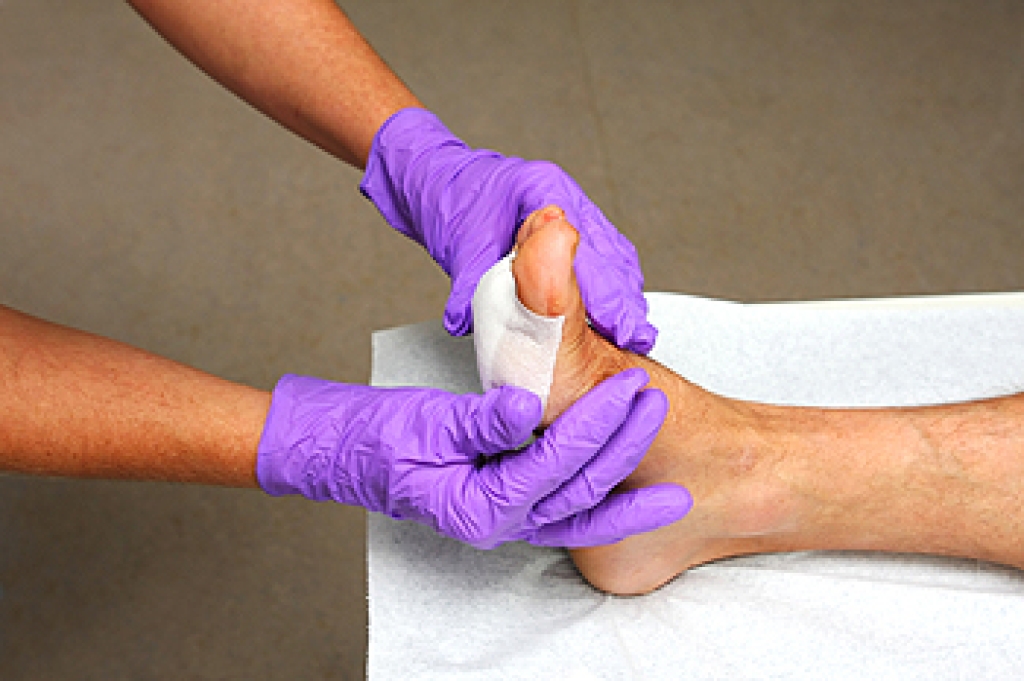
How a Podiatrist Diagnoses and Treats Stress Fractures

Stress fractures are tiny cracks in a bone caused by repeated force instead of a single injury. They frequently develop in the feet and lower legs because these bones absorb the impact of everyday activities and sports. Pain usually begins gradually, and becomes worse while walking, running, or exercising. It often improves with rest but returns when activity starts again. Swelling and tenderness over one specific area of the foot are also common signs. Stress fractures can be difficult to recognize during the early stages because symptoms resemble other foot problems. Early diagnosis is important because continuing normal activity can allow the crack to become larger and delay healing. Research also shows that early imaging improves diagnosis when symptoms suggest a stress fracture but standard X-rays appear normal.

Several factors increase the risk of stress fractures. A sudden increase in exercise intensity, duration, or frequency places extra strain on the bones. Foot structure and walking patterns can also affect how force is distributed across the feet. Low bone strength can further increase the chance of injury. A podiatrist carefully examines the painful area, reviews activity levels, and evaluates foot alignment to identify possible causes. X-rays are usually the first imaging test, although they do not always detect an early stress fracture. An MRI scan provides a more detailed view and can confirm the diagnosis when symptoms continue despite normal X-ray findings.

A podiatrist creates a treatment plan that protects the injured bone while it heals. Treatment includes reducing stress on the affected foot, wearing supportive shoes, and custom orthotics, when appropriate. Regular follow-up visits allow healing to be monitored and help determine when normal activities can safely resume. Early care reduces the risk of a complete fracture and other complications. Prompt treatment also supports a smoother recovery and a safer return to daily activities. If you have symptoms of stress fractures, it is suggested that you schedule an appointment with a podiatrist for effective relief and treatment solutions. 

Stress fractures occur when there is a tiny crack within a bone. To learn more, contact One of our podiatrists from Mitchell Foot & Ankle. Our doctors can provide the care you need to keep you pain free and on your feet.

How Are They Caused?

Stress fractures are the result of repetitive force being placed on the bone. Since the lower leg and feet often carry most of the body’s weight, stress fractures are likely to occur in these areas. If you rush into a new exercise, you are more likely to develop a stress fracture since you are starting too much, too soon.  Pain resulting from stress fractures may go unnoticed at first, however it may start to worsen over time.

Risk Factors

  • Gender – They are more commonly found in women compared to men.
  • Foot Problems – People with unusual arches in their feet are more likely to develop stress fractures.
  • Certain Sports – Dancers, gymnasts, tennis players, runners, and basketball players are more likely to develop stress fractures.
  • Lack of Nutrients – A lack of vitamin D and calcium may weaken the bones and make you more prone to stress fractures
  • Weak Bones – Osteoporosis can weaken the bones therefore resulting in stress fractures

Stress fractures do not always heal properly, so it is important that you seek help from a podiatrist if you suspect you may have one. Ignoring your stress fracture may cause it to worsen, and you may develop chronic pain as well as additional fractures.

If you have any questions please contact our office located in Chicago, IL . We offer the newest diagnostic and treatment technologies for all your foot and ankle needs.


Read more about Stress Fractures of the Foot and Ankle

Signs That Your Running Shoes Do Not Fit Right

Choosing the right running shoes helps protect your feet and lowers the chance of painful injuries. A properly fitted shoe gives your toes enough room to move. Meanwhile, the midfoot and heel should be snug but not tight. About a thumb's width of space between your longest toe and the end of the shoe helps prevent bruised toenails and pressure. Shoes that are too narrow can cause tingling, numbness, and painful rubbing. Shoes that are too short can lead to bruised toes. Additionally, shoes that are too wide can allow your foot to slide, increasing the risk of blisters on the ball of the foot. A podiatrist can examine your feet, identify your foot shape, and recommend running shoes that match your needs and running style.

Finding the best fit takes more than trying on the first pair that feels comfortable. Shop later in the day because your feet naturally become slightly larger by evening. Wear the same socks you plan to use while running. Bring custom orthotics if you use them because they affect shoe fit. Always fit the larger foot first because one foot is usually a bit bigger than the other. Foot size also changes with age, weight gain or loss, pregnancy, and previous surgery.

After buying running shoes, pay close attention to how they feel on your first few runs. Blisters on top of or between the toes usually mean the shoes are too small. Heel blisters can mean the heel area is too loose. Tingling or numbness points to shoes that are too narrow or lack enough space. Ignoring these warning signs can lead to ongoing discomfort and foot problems. A podiatrist can evaluate your running gait, recommend appropriate shoe features, and determine whether orthotics would improve comfort and support. If you have foot pain after running, it is suggested that you schedule an appointment with a podiatrist for effective relief and treatment solutions.

Getting the right shoe size is an important part of proper foot health. Seek the assistance of One of our podiatrists from Mitchell Foot & Ankle. Our doctors will provide the care you need to keep you pain-free and on your feet.

Getting the Right Shoe Size

There are many people who wear shoes that are the incorrect size, negatively affecting their feet and posture. Selecting the right shoes is not a difficult process, so long as you keep several things in mind when it comes to choosing the right pair.

  • When visiting the shoe store, use the tools available to measure your foot.
  • Be sure there is ‘wiggle room’. There should be about an inch between your toes and the tip of your shoes.
  • Do not always assume you are the same size, as manufacturers run differently.
  • Purchase shoes later in the day, as your feet swell as the day progresses.
  • If a shoe is not comfortable, it is not suitable. Most shoes can’t be ‘broken in’, and comfort should be the ultimate goal when it comes to choosing the right pair of shoes

As our feet hold our body weight and keep us moving, it is important to treat them right. Picking the right pair of shoes can provide your feet comfort and mobility without pain.

If you have any questions, please feel free to contact our office located in Chicago, IL . We offer the newest diagnostic and treatment technologies for all your foot care needs.

Read more about Getting the Right Shoe Size: To Keep Your Feet Happy

Plantar Fasciitis and Why Heel Pain Starts in the Morning

Plantar fasciitis is the most common cause of heel pain in adults and is defined as inflammation of the plantar fascia, a thick band of connective tissue that supports the arch of the foot. This tissue runs from the heel bone to the toes and plays a critical role in absorbing shock during walking and standing. When excessive strain is placed on the plantar fascia, small tears can develop, leading to irritation and inflammation. Over time, this results in persistent discomfort that can interfere with daily movement and activity.

The most recognizable symptom of plantar fasciitis is sharp heel pain that is often worse with the first steps in the morning. This occurs because the plantar fascia tightens overnight, then stretches suddenly when weight is applied. Patients may also notice heel swelling, tenderness along the bottom of the foot, and increased pain after long periods of standing or walking. The discomfort may improve with light movement but can return after prolonged activity, making it a frustrating and recurring condition.


There are several causes and contributing factors associated with plantar fasciitis. Overuse is one of the leading causes, especially in individuals who spend long hours on their feet or engage in high impact activities. Obesity can increase pressure on the plantar fascia, while improper footwear that lacks arch support can worsen strain. Risk factors also include flat feet, high arches, and occupations that require repetitive standing or walking on hard surfaces.


Early recognition and proper management are essential to prevent worsening symptoms. Treatment may include stretching exercises, wearing supportive footwear, custom orthotics, and activity modification to reduce stress on the heel. Addressing risk factors such as weight and biomechanics can also improve long term outcomes. If you have heel pain, it is strongly suggested that you consult a podiatrist who can accurately diagnose and treat plantar fasciitis.

Plantar fasciitis can be very painful and inconvenient. If you are experiencing heel pain or symptoms of plantar fasciitis, contact One of our podiatrists  from Mitchell Foot & Ankle. Our doctors can provide the care you need to keep you pain-free and on your feet.

What Is Plantar Fasciitis?

Plantar fasciitis is the inflammation of the thick band of tissue that runs along the bottom of your foot, known as the plantar fascia, and causes mild to severe heel pain.

What Causes Plantar Fasciitis?

  • Excessive running
  • Non-supportive shoes
  • Overpronation
  • Repeated stretching and tearing of the plantar fascia

How Can It Be Treated?

  • Conservative measures – anti-inflammatories, ice packs, stretching exercises, physical therapy, orthotic devices
  • Shockwave therapy – sound waves are sent to the affected area to facilitate healing and are usually used for chronic cases of plantar fasciitis
  • Surgery – usually only used as a last resort when all else fails. The plantar fascia can be surgically detached from the heel

While very treatable, plantar fasciitis is definitely not something that should be ignored. Especially in severe cases, speaking to your doctor right away is highly recommended to avoid complications and severe heel pain. Your podiatrist can work with you to provide the appropriate treatment options tailored to your condition.

If you have any questions, please feel free to contact our office located in Chicago, IL . We offer the newest diagnostic and treatment technologies for all your foot care needs.

Read more about Plantar Fasciitis

Causes of Toenail Discoloration and When Fungus Is to Blame

Toenail discoloration is a common concern that often signals an underlying issue within the nail unit. While trauma and pressure from footwear can alter nail color, fungal infection remains one of the most frequent causes. Toenail fungus occurs when microscopic fungi enter through small cracks in the nail or surrounding skin. Clinical observations show that nearly 50 percent of discolored toenails are linked to fungal involvement, making it a leading explanation for persistent nail changes.

The symptoms of toenail fungus extend beyond simple color changes. Early signs may include faint white streaks or patches on the nail surface. As the infection progresses, the nail can turn yellow or brown and may develop a thickened and uneven texture. Some patients report a foul odor or debris buildup beneath the nail. In severe cases, the nail may detach partially from the nail bed, leading to discomfort during daily activities.


Risk factors for developing fungal nail infections are often related to lifestyle and overall health. People who wear tight-fitting shoes or sweat excessively are more prone to fungal growth due to trapped moisture. Aging is another factor, as slower nail growth and reduced circulation increase susceptibility. Individuals with chronic conditions, such as diabetes or compromised immunity, face a higher risk. Repeated exposure to damp communal areas also raises the likelihood of infection.


Fungal organisms thrive in dark and humid conditions, which makes the feet an ideal environment if not properly cared for. Early recognition and targeted treatment can prevent the infection from worsening or spreading to other nails. Maintaining proper hygiene and monitoring nail changes are essential steps in prevention. If you have symptoms of toenail fungus, it is suggested that you visit a podiatrist for an evaluation and guidance on effective treatment options, which may include prescribed medication.

For more information about treatment, contact One of our podiatrists of Mitchell Foot & Ankle. Our doctors can provide the care you need to keep you pain-free and on your feet.

Toenail Fungus Treatment

Toenail fungus is a condition that affects many people and can be especially hard to get rid of. Fortunately, there are several methods to go about treating and avoiding it.

Antifungals & Deterrence

Oral antifungal medicine has been shown to be effective in many cases. It is important to consult with a podiatrist to determine the proper regiment for you, or potentially explore other options.

Applying foot powder on the feet and shoes helps keep the feet free of moisture and sweat.

Sandals or open toed shoes – Wearing these will allow air movement and help keep feet dry. They also expose your feet to light, which fungus cannot tolerate. Socks with moisture wicking material also help as well.

If you have any questions please contact our office located in Chicago, IL . We offer the newest diagnostic and treatment technologies for all your foot and ankle needs.

Read more about How to Treat Your Toenail Fungus

Do You Suffer From Painful Feet?

Painful deformities, such as hammertoes, can be treated. Stop living with foot pain, and have beautiful feet again!