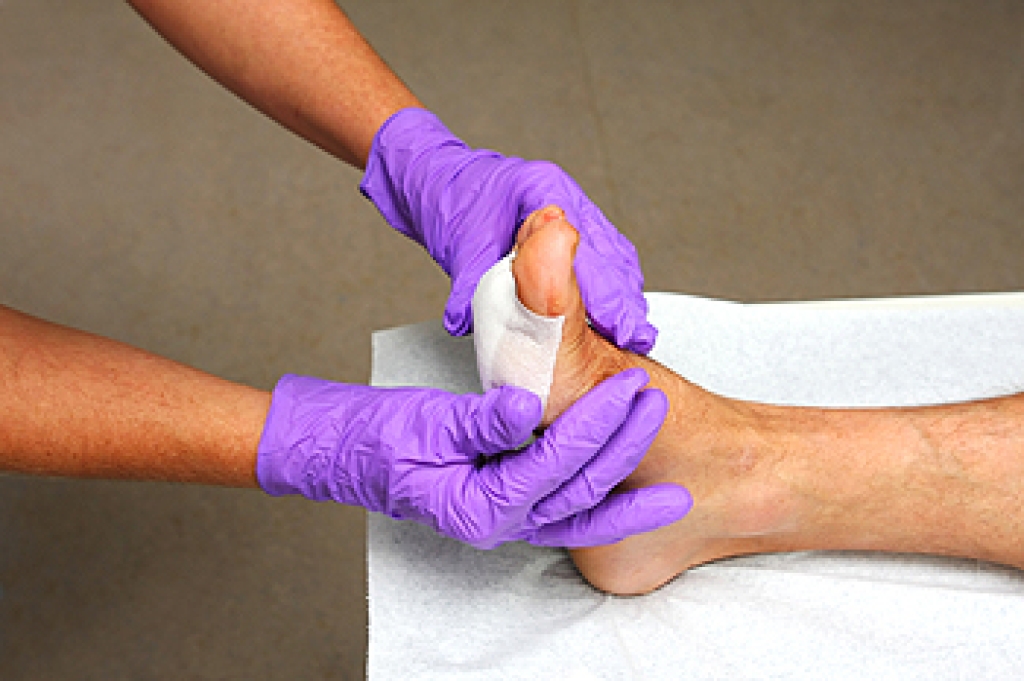
Types of Athlete’s Foot Infections

Tinea pedis, commonly called athlete’s foot, is a contagious fungal infection that appears in several forms. Interdigital athlete’s foot affects the spaces between toes, causing itching, peeling, and cracks. Moccasin-type spreads across the soles and sides of the foot, leading to dry, thickened skin. Additionally, vesicular athlete’s foot produces painful blisters, while ulcerative forms can create open sores and increase infection risk. Treatment depends on severity, with mild cases responding to over-the-counter antifungal creams, along with good hygiene and moisture control. Severe or persistent infections may require prescription oral medications. Preventive care, such as keeping feet dry, wearing breathable shoes, and avoiding barefoot exposure in public areas, helps reduce recurrence. If symptoms worsen or do not improve, it is suggested that you see a podiatrist for a proper diagnosis and appropriate treatment.

Athlete’s foot is an inconvenient condition that can be easily reduced with the proper treatment. If you have any concerns about your feet and ankles, contact One of our podiatrists from Mitchell Foot & Ankle.  Our doctors will treat your foot and ankle needs.

Athlete’s Foot: The Sole Story

Athlete's foot, also known as tinea pedis, can be an extremely contagious foot infection. It is commonly contracted in public changing areas and bathrooms, dormitory style living quarters, around locker rooms and public swimming pools, or anywhere your feet often come into contact with other people.

Solutions to Combat Athlete’s Foot

  • Hydrate your feet by using lotion
  • Exfoliate
  • Buff off nails
  • Use of anti-fungal products
  • Examine your feet and visit your doctor if any suspicious blisters or cuts develop

Athlete’s foot can cause many irritating symptoms such as dry and flaking skin, itching, and redness. Some more severe symptoms can include bleeding and cracked skin, intense itching and burning, and even pain when walking. In the worst cases, Athlete’s foot can cause blistering as well. Speak to your podiatrist for a better understanding of the different causes of Athlete’s foot, as well as help in determining which treatment options are best for you.

If you have any questions please feel free to contact our office located in Chicago, IL . We offer the newest diagnostic and treatment technologies for all your foot and ankle needs.


Read more about Athlete's Foot

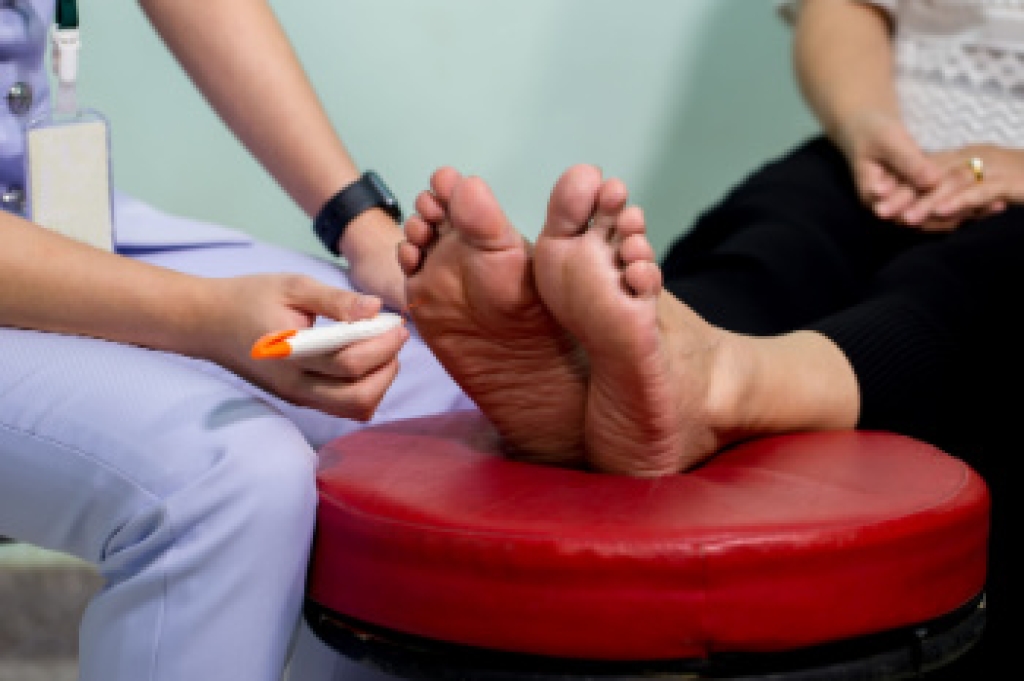
Inspect Your Feet Regularly for Abnormalities if You're Diabetic

Diabetic patients often have decreased sensitivity in their feet, which makes a visual inspection of the feet even more important. If you're diabetic, having periodic screenings is extremely important for maintaining the overall health of your feet. 

Big Toe Arthritis Relief Without Surgery

Arthritis in the big toe, medically known as hallux rigidus, is a condition where the joint becomes stiff, swollen, and painful as the cushioning wears down. Non-surgical, more conservative care can often improve comfort and movement. Shoes with a stiff sole or a rocker bottom can reduce strain during walking. Custom orthotics, or shoe inserts designed to guide motion, may help some people, but results can vary. Anti-inflammatory medication can ease swelling, while targeted exercises can support strength and flexibility. Activity changes, such as avoiding high-impact exercise, may also protect the joint. Injections are sometimes used, although relief may not be the same for everyone. Early care can make a meaningful difference. If you notice pain or stiffness in your big toe, it is suggested that you see a podiatrist for an evaluation and guidance.

Arthritis can be a difficult condition to live with. If you are seeking treatment, contact One of our podiatrists from Mitchell Foot & Ankle. Our doctors can provide the care you need to keep you pain-free and on your feet.

Arthritic Foot Care  

Arthritis is a joint disorder that involves the inflammation of different joints in your body, such as those in your feet. Arthritis is often caused by a degenerative joint disease and causes mild to severe pain in all affected areas. In addition to this, swelling and stiffness in the affected joints can also be a common symptom of arthritis.

In many cases, wearing ill-fitting shoes can worsen the effects and pain of arthritis. Wearing shoes that have a lower heel and extra room can help your feet feel more comfortable. In cases of rheumatoid arthritis, the arch in your foot may become problematic. Buying shoes with proper arch support that contour to your feet can help immensely.

Alleviating Arthritic Pain

  • Exercises that stretch the foot can prevent further pain and injury and increase mobility
  • Most of the pain can be alleviated with anti-inflammatory drugs, heat, and topical medications
  • Massages can help temporarily alleviate pain.

It is best to see your doctor for the treatment that is right for your needs and symptoms. Conditions vary, and a podiatrist can help you determine the right method of care for your feet.

If you have any questions please feel free to contact our office located in Chicago, IL . We offer the newest diagnostic tools and technology to treat your foot and ankle needs.

Read more about Arthritic Foot Care

Fungal Toenail Infections

Fungal infections can cause the toenails to become thickened, discolored, and brittle over time. The toenail may appear yellow, white, or even darkened, and its surface can look uneven or crumbly. Some patients notice a buildup of debris beneath the nail or a separation from the nail bed. While the condition is often painless at first, it can lead to discomfort as the toenail thickens or presses against footwear. Fungal nails develop when fungi thrive in warm, moist environments, such as sweaty feet. Minor toenail injuries or a weakened immune system are other factors. A podiatrist can confirm the diagnosis through examination and testing if needed. Treatment includes topical or oral antifungal medication, as well as professional toenail care to reduce thickness and improve appearance. Addressing the infection early can help prevent its spread to other nails. If you are dealing with fungal toenails, it is suggested that you make an appointment with a podiatrist.

If left untreated, toenail fungus may spread to other toenails, skin, or even fingernails. If you suspect you have toenail fungus it is important to seek treatment right away. For more information about treatment, contact One of our podiatrists of Mitchell Foot & Ankle. Our doctors can provide the care you need to keep you pain-free and on your feet.

Symptoms

  • Warped or oddly shaped nails
  • Yellowish nails
  • Loose/separated nail
  • Buildup of bits and pieces of nail fragments under the nail
  • Brittle, broken, thickened nail

Treatment

If self-care strategies and over-the-counter medications does not help your fungus, your podiatrist may give you a prescription drug instead. Even if you find relief from your toenail fungus symptoms, you may experience a repeat infection in the future.

Prevention

In order to prevent getting toenail fungus in the future, you should always make sure to wash your feet with soap and water. After washing, it is important to dry your feet thoroughly especially in between the toes. When trimming your toenails, be sure to trim straight across instead of in a rounded shape. It is crucial not to cover up discolored nails with nail polish because that will prevent your nail from being able to “breathe”.

In some cases, surgical procedure may be needed to remove the toenail fungus. Consult with your podiatrist about the best treatment options for your case of toenail fungus.  

If you have any questions please contact our office located in Chicago, IL . We offer the newest diagnostic and treatment technologies for all your foot and ankle needs.
Read more about Treating Toenail Fungus

Flat Feet in Kids and What Parents Should Know

Flat feet occur in children when the arch of the foot does not fully develop, causing the entire foot to touch the ground. Some children may feel pain in the arch, heel, or ankle, while others may have tired feet after standing or walking for long periods of time. Common causes include genetics, loose ligaments, or delayed arch development. Risk factors include excess weight or certain structural differences in the feet. While many children do not have symptoms, discomfort can affect daily activities and play. A podiatrist can evaluate foot structure, monitor development, and recommend supportive shoes or custom orthotics. Early care helps prevent future problems. If your child has pain from having flat feet, it is suggested that you consult a podiatrist who can offer effective relief solutions and help you to monitor your child’s foot health.

Flatfoot is a condition many people suffer from. If you have flat feet, contact One of our podiatrists from Mitchell Foot & Ankle. Our doctors will treat your foot and ankle needs.

What Are Flat Feet?

Flatfoot is a condition in which the arch of the foot is depressed and the sole of the foot is almost completely in contact with the ground. About 20-30% of the population generally has flat feet because their arches never formed during growth.

Conditions & Problems:

Having flat feet makes it difficult to run or walk because of the stress placed on the ankles.

Alignment – The general alignment of your legs can be disrupted, because the ankles move inward which can cause major discomfort.

Knees – If you have complications with your knees, flat feet can be a contributor to arthritis in that area.  

Symptoms

  • Pain around the heel or arch area
  • Trouble standing on the tip toe
  • Swelling around the inside of the ankle
  • Flat look to one or both feet
  • Having your shoes feel uneven when worn

Treatment

If you are experiencing pain and stress on the foot you may weaken the posterior tibial tendon, which runs around the inside of the ankle. 

If you have any questions, please feel free to contact our office located in Chicago, IL . We offer the newest diagnostic and treatment technologies for all your foot care needs.

Read more about Flat Feet