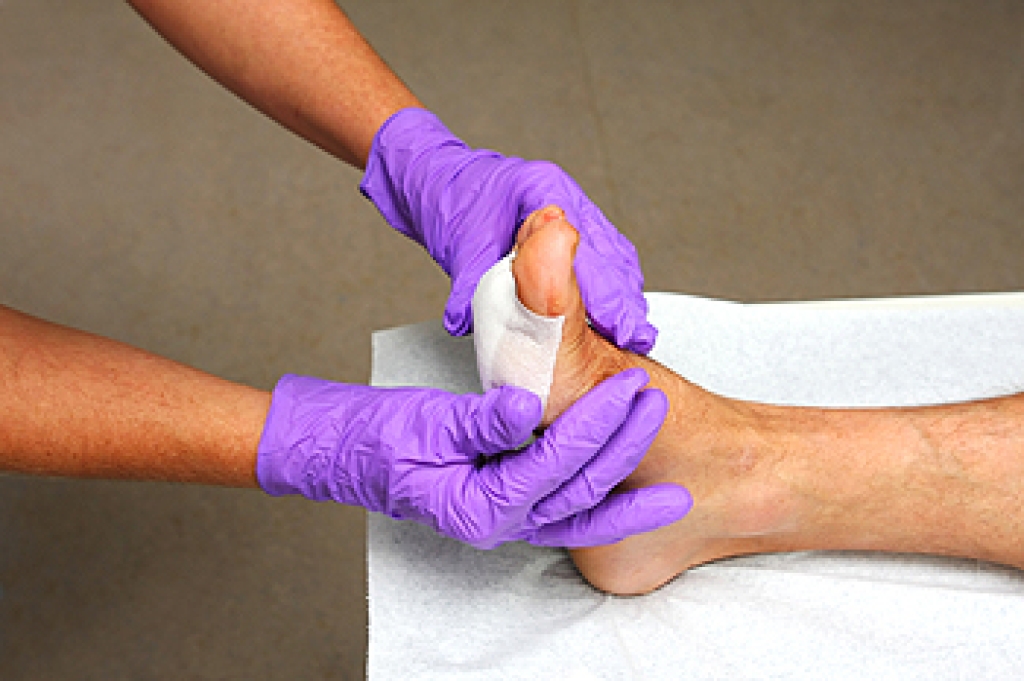
Recognizing Symptoms of Plantar Fasciitis

Plantar fasciitis is one of the most frequent causes of heel pain, and its symptoms often appear gradually. The most noticeable sign is sharp discomfort at the bottom of the heel, especially with the first steps in the morning or after standing up from rest. As the tissue warms up, the pain may ease, only to return later in the day with prolonged standing, walking, or exercise. Many people describe a tight, pulling sensation along the arch, as if the foot needs to stretch but never fully relaxes. The heel may feel tender when you press on it, and the discomfort can worsen in unsupportive shoes or on hard surfaces. If the irritation continues, the pain can spread toward the arch or make it difficult to stay active. When heel pain persists or limits daily movement, it is suggested that you see a podiatrist for an evaluation and appropriate treatment.

Plantar fasciitis is a common foot condition that is often caused by a strain injury. If you are experiencing heel pain or symptoms of plantar fasciitis, contact One of our podiatrists from Mitchell Foot & Ankle. Our doctors can provide the care you need to keep you pain-free and on your feet.

What Is Plantar Fasciitis?

Plantar fasciitis is one of the most common causes of heel pain. The plantar fascia is a ligament that connects your heel to the front of your foot. When this ligament becomes inflamed, plantar fasciitis is the result. If you have plantar fasciitis you will have a stabbing pain that usually occurs with your first steps in the morning. As the day progresses and you walk around more, this pain will start to disappear, but it will return after long periods of standing or sitting.

What Causes Plantar Fasciitis?

  • Excessive running
  • Having high arches in your feet
  • Other foot issues such as flat feet
  • Pregnancy (due to the sudden weight gain)
  • Being on your feet very often

There are some risk factors that may make you more likely to develop plantar fasciitis compared to others. The condition most commonly affects adults between the ages of 40 and 60. It also tends to affect people who are obese because the extra pounds result in extra stress being placed on the plantar fascia.

Prevention

  • Take good care of your feet – Wear shoes that have good arch support and heel cushioning.
  • Maintain a healthy weight
  • If you are a runner, alternate running with other sports that won’t cause heel pain

There are a variety of treatment options available for plantar fasciitis along with the pain that accompanies it. Additionally, physical therapy is a very important component in the treatment process. It is important that you meet with your podiatrist to determine which treatment option is best for you.

If you have any questions, please feel free to contact our office located in Chicago, IL . We offer the newest diagnostic and treatment technologies for all your foot care needs.


Read more about Plantar Fasciitis

Keep Your Feet Healthy So You Can Stay Active

Have your feet inspected by a professional before starting a new sport or physical activity. Taking charge of your foot health will keep you in good physical condition and can help you avoid a potential injury, such as a fracture or sprained ankle.

Prevent injuries and see a foot specialist.

Outer Foot Pain Can Be an Avulsion Fracture

Pain on the outer side of the foot can sometimes signal an avulsion fracture, also called a pseudo Jones fracture. This type of injury affects the base of the fifth metatarsal, which is the long bone below the pinky toe. The fracture happens when a tendon pulls a small piece of bone away from its attachment. The injury can occur after a sudden twist, roll, or direct impact to the ankle or foot. People typically notice sharp pain, swelling, and tenderness near the outer edge of the foot, making walking or bearing weight difficult. Because this fracture can be mistaken for a sprain or a more serious type of fracture, an accurate diagnosis is important. A podiatrist can perform an exam, order X-rays, and recommend the best course of treatment, including immobilization or, in some cases, surgery. If you are experiencing outer foot pain, it is suggested that you make an appointment with a podiatrist for a diagnosis and treatment.

A broken foot requires immediate medical attention and treatment. If you need your feet checked, contact One of our podiatrists from Mitchell Foot & Ankle. Our doctors can provide the care you need to keep you pain-free and on your feet.

Broken Foot Causes, Symptoms, and Treatment

A broken foot is caused by one of the bones in the foot typically breaking when bended, crushed, or stretched beyond its natural capabilities. Usually the location of the fracture indicates how the break occurred, whether it was through an object, fall, or any other type of injury. 

Common Symptoms of Broken Feet:

  • Bruising
  • Pain
  • Redness
  • Swelling
  • Blue in color
  • Numbness
  • Cold
  • Misshapen
  • Cuts
  • Deformities

Those that suspect they have a broken foot shoot seek urgent medical attention where a medical professional could diagnose the severity.

Treatment for broken bones varies depending on the cause, severity and location. Some will require the use of splints, casts or crutches while others could even involve surgery to repair the broken bones. Personal care includes the use of ice and keeping the foot stabilized and elevated.

If you have any questions, please feel free to contact our office located in Chicago, IL . We offer the newest diagnostic and treatment technologies for all your foot care needs.

Read more about Causes, Symptoms, and Treatment for a Broken Foot

Reasons for Burning Foot Pain

Burning pain in the feet often develops when nerves become compressed, irritated, or damaged. Peripheral neuropathy, which involves dysfunction of the nerves that transmit signals between the legs and feet, is a frequent cause. People with this condition often experience burning sensations, numbness, or tingling in both feet. Another source of burning pain is Morton’s neuroma, a thickening of tissue around a nerve in the ball of the foot that can make it feel like walking on a pebble. Metatarsalgia, which involves inflammation and pressure beneath the metatarsal bones, can also create burning pain in the forefoot, especially with prolonged standing or walking. Peripheral vascular disease can lead to burning discomfort when blood flow to the feet is reduced, especially during movement. If you are experiencing burning foot pain, it is suggested that you make an appointment with a podiatrist for a diagnosis and treatment options.

Foot Pain

Foot pain can be extremely painful and debilitating. If you have a foot pain, consult with One of our podiatrists from Mitchell Foot & Ankle. Our doctors will assess your condition and provide you with quality foot and ankle treatment.

Causes

Foot pain is a very broad condition that could be caused by one or more ailments. The most common include:

  • Bunions
  • Hammertoes
  • Plantar Fasciitis
  • Bone Spurs
  • Corns
  • Tarsal Tunnel Syndrome
  • Ingrown Toenails
  • Arthritis (such as Gout, Rheumatoid, and Osteoarthritis)
  • Flat Feet
  • Injury (from stress fractures, broken toe, foot, ankle, Achilles tendon ruptures, and sprains)
  • And more

Diagnosis

To figure out the cause of foot pain, podiatrists utilize several different methods. This can range from simple visual inspections and sensation tests to X-rays and MRI scans. Prior medical history, family medical history, and any recent physical traumatic events will all be taken into consideration for a proper diagnosis.

Treatment

Treatment depends upon the cause of the foot pain. Whether it is resting, staying off the foot, or having surgery; podiatrists have a number of treatment options available for foot pain.

If you have any questions, please feel free to contact our office located in Chicago, IL . We offer the newest diagnostic and treatment technologies for all your foot care needs.

Read more about Foot Pain

Understanding the Different Causes of Heel Pain

Heel pain is one of the most frequent foot complaints, but it does not always have a single cause. While plantar fasciitis is often blamed, fat pad atrophy or nerve entrapment can produce similar discomfort. Each cause has different symptoms. Plantar fasciitis often creates sharp pain with the first steps in the morning, while fat pad atrophy feels more like a deep bruise from loss of natural cushioning. Because symptoms can overlap, an accurate diagnosis is important in choosing the right treatment. A podiatrist can evaluate foot structure, activity level, and gait patterns to pinpoint the true source of pain. Treatments may include stretching, custom orthotics, footwear changes, or other targeted therapies. If heel pain is interfering with your daily comfort, it is suggested that you schedule a podiatric evaluation to find the most effective treatment solution.

Many people suffer from bouts of heel pain. For more information, contact One of our podiatrists of Mitchell Foot & Ankle. Our doctors can provide the care you need to keep you pain-free and on your feet.

Causes of Heel Pain

Heel pain is often associated with plantar fasciitis. The plantar fascia is a band of tissues that extends along the bottom of the foot. A rip or tear in this ligament can cause inflammation of the tissue.

Achilles tendonitis is another cause of heel pain. Inflammation of the Achilles tendon will cause pain from fractures and muscle tearing. Lack of flexibility is also another symptom.

Heel spurs are another cause of pain. When the tissues of the plantar fascia undergo a great deal of stress, it can lead to ligament separation from the heel bone, causing heel spurs.

Why Might Heel Pain Occur?

  • Wearing ill-fitting shoes                
  • Wearing non-supportive shoes
  • Weight change           
  • Excessive running

Treatments

Heel pain should be treated as soon as possible for immediate results. Keeping your feet in a stress-free environment will help. If you suffer from Achilles tendonitis or plantar fasciitis, applying ice will reduce the swelling. Stretching before an exercise like running will help the muscles. Using all these tips will help make heel pain a condition of the past.

If you have any questions, please feel free to contact our office located in Chicago, IL . We offer the newest diagnostic and treatment technologies for all your foot care needs.

Read more about Heel Pain